



"From Head to Toe: The Most Common Pains in Young ...

From Head to Toe: The Most Common Pains in Young People
If you’re dealing with any of these common pains, visiting a physiotherapist could help you feel better faster and prevent more pain in the future.
Young people often experience a variety of physical discomforts due to lifestyle habits, academic pressures, and sports activities. Understanding these common issues is the first step toward finding relief.
The Most Common Pains in Young People
- Back Pain: Caused by poor posture, sitting for long periods (especially with phones and computers), or lifting heavy objects incorrectly. Many young people spend long hours sitting at desks or looking down at screens, which can strain the muscles and spine.
- Neck and Shoulder Pain: Caused by long hours spent in poor posture, especially from looking down at phones, computers, or carrying backpacks that are too heavy. The muscles in the neck and shoulders can get tight or strained, causing discomfort.
- Knee Pain: Often triggered by sports activities, especially those involving jumping, running, or twisting motions (e.g., basketball, soccer). Young people are active and may overuse their knees or have improper form during exercise, leading to pain or injury.
- Sports Injuries (Sprains and Strains): Physical activities like running, playing sports, or weightlifting can lead to sprained ligaments or strained muscles. Many young people engage in sports or physical activities that put stress on joints and muscles, increasing the risk of injury.
- Headaches and Migraines: Stress, lack of sleep, dehydration, or excessive screen time can lead to tension headaches or migraines. Busy schedules, school pressure, and excessive screen time can trigger headaches in younger individuals.
- Wrist and Hand Pain: Excessive use of smartphones, computers, or video games can lead to pain or discomfort in the hands and wrists. Repetitive movements, like texting or typing, put strain on the wrists, leading to pain or inflammation.
- Hip Pain: Caused by overuse from sports activities like running or dancing, or sitting for long periods of time. The hip joint can become stiff or irritated from repetitive motions or long periods of sitting.
- Ankle Sprains: Sports, running, or walking on uneven surfaces can lead to sprained ankles. Young people are often active and may twist or roll their ankles during sports or daily activities.
How Physiotherapy Helps Address These Pains
- Back Pain: A physiotherapist can show you exercises and stretches to improve posture, strengthen muscles, and reduce pain. They can also teach you how to lift things properly to avoid hurting your back in the future.
- Neck and Shoulder Pain: Physiotherapists can guide you on exercises to relieve tension, improve posture, and prevent pain from returning. They can also use techniques like massage or heat therapy to ease the muscles.
- Knee Pain: Physiotherapy helps by strengthening the muscles around your knees, improving flexibility, and teaching you proper techniques for activities like running or jumping, reducing strain on your knees.
- Sports Injuries (Twisted Ankles, Sprains): A physiotherapist can help you recover from sports injuries by creating a personalized plan to strengthen muscles and joints, reduce swelling, and gradually get you back to normal activities safely.
- Headaches: Some headaches are related to neck or back issues. A physiotherapist can help with posture correction, stretching, and exercises to reduce tension, potentially preventing headaches from occurring.
- Wrist and Hand Pain: Physiotherapists can teach you ways to relieve pain, reduce strain, and improve movement in your wrists and hands, especially if the pain is from overuse or repetitive motion.
- Hip Pain: A physiotherapist can help you strengthen hip muscles, improve your range of motion, and show you stretches to relieve pain and prevent future issues.
- Twisted Ankles: If you’ve twisted your ankle, physiotherapy can help with the recovery process by improving flexibility, strength, and balance. They can also teach you how to avoid re-injuring the ankle in the future.
Why Choose Physiotherapy?
- Prevention: Physiotherapists can help you avoid future injuries by teaching you good habits and how to move properly.
- Faster Recovery: If you’re already in pain, physiotherapy can speed up recovery and get you back to your normal routine quicker.
Consult a Professional
If you're experiencing common pains like back, neck, or knee discomfort, visiting a physiotherapist can be very helpful. You can consult Dr. Jeetendra Brahmbhatt, a leading physiotherapist specializing in sports injuries and post-surgery rehabilitation.
Contact Information:
- Clinic Name: Dr. Physio Ortho & Sports Injury Clinic
- Address: 5, 2nd Floor, Amrapali Axiom Complex, Above Sankalp Restaurant, Bopal, Ahmedabad-380058, Gujarat
- Phone: +91 78748 37101 / 8347693569
- Email: dr.physioahmedabad@gmail.com
Related Posts
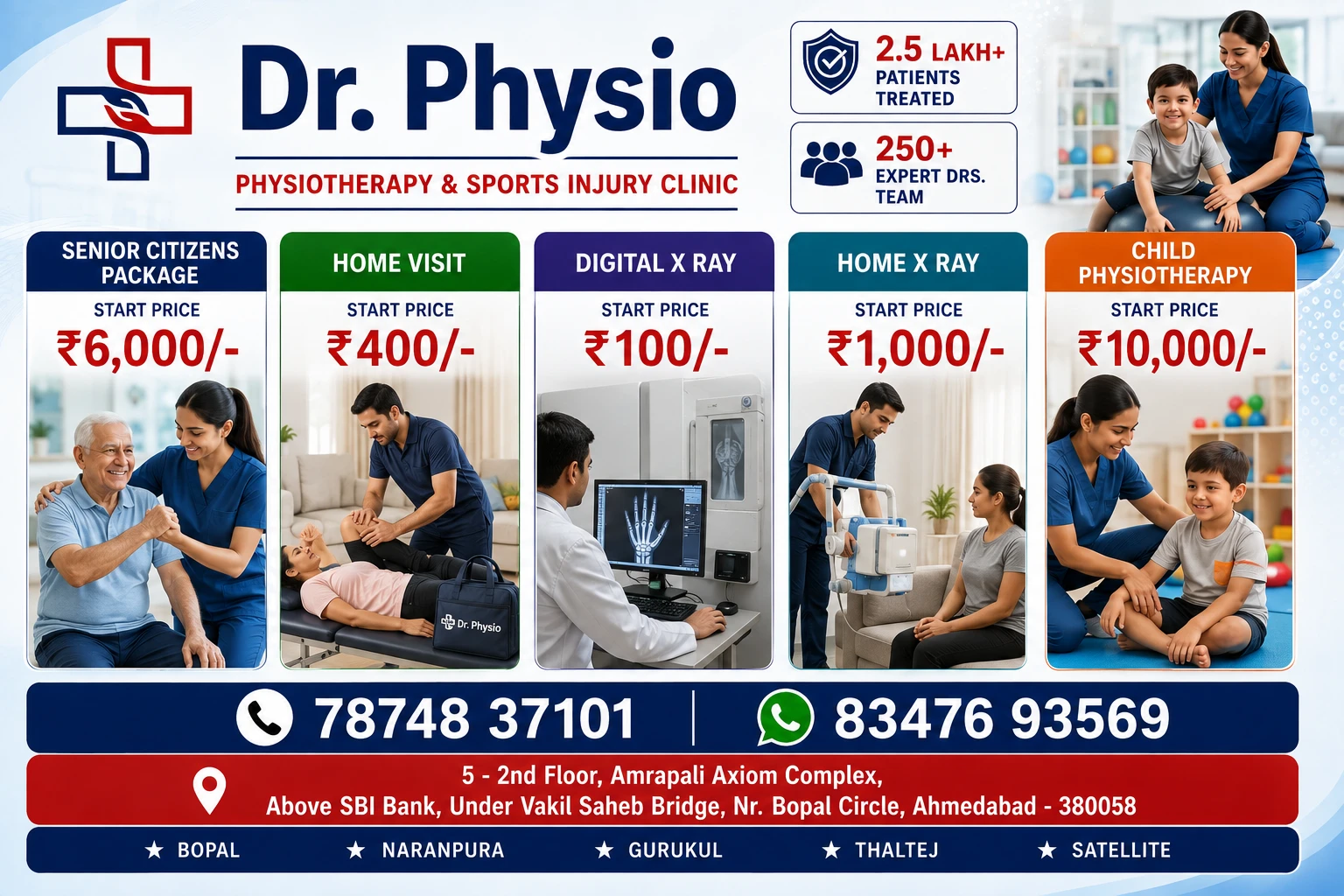
Physiotherapist Near Me – Home Visit Physiotherapy Ahmedabad
Excerpt (Short Summary): Home Physiotherapy & Home X-Ray Services in Ahmedabad — physiotherapy at home, home visit physiotherapy, home rehabilitation, sports injury physiotherapy, post-surgery physiotherapy, pain relief, senior citizen physiotherapy, child physiotherapy, digital X-ray and home X-ray service in Bopal, South Bopal, Shela, Ghuma, Shilaj, Thaltej, Satellite, Prahlad Nagar, Bodakdev, Vastrapur, Gurukul, Naranpura, Navrangpura, Paldi, Ambawadi, Jodhpur, Makarba, Sarkhej, Gota, Sola, Science City, Chandkheda, Motera and SG Highway, Ahmedabad.
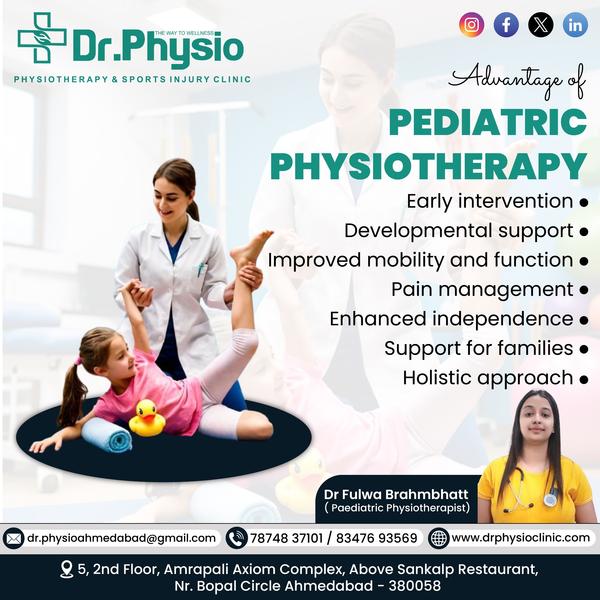
child’s physiotherapy
I am extremely satisfied with my child’s physiotherapy sessions here. What I really appreciate is that they don’t just focus on therapy, but on the ov
Need Expert Physiotherapy?
Book a consultation with our experienced team to get personalized treatment and start your recovery journey today.
Book an Appointment